
Social Stunt

Foot Locker.
Date
2024
Client/Agency
Foot Locker/Tool of North America
Role
Concept & Creative Direction

Foot Locker came in with a hard brief, scroll-stopping social content that felt authentic but unbelievable, tight timeline, limited budget. The kind of ask where the wrong instinct is to chase production value and the right instinct is to find one idea simple enough to survive a phone-screen scroll and weird enough to make someone stop.
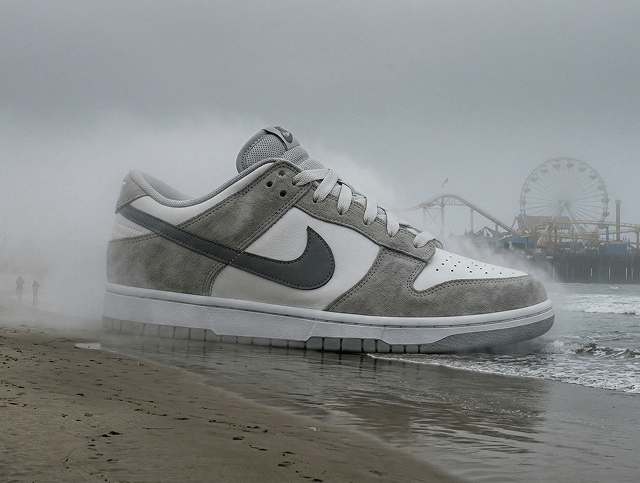
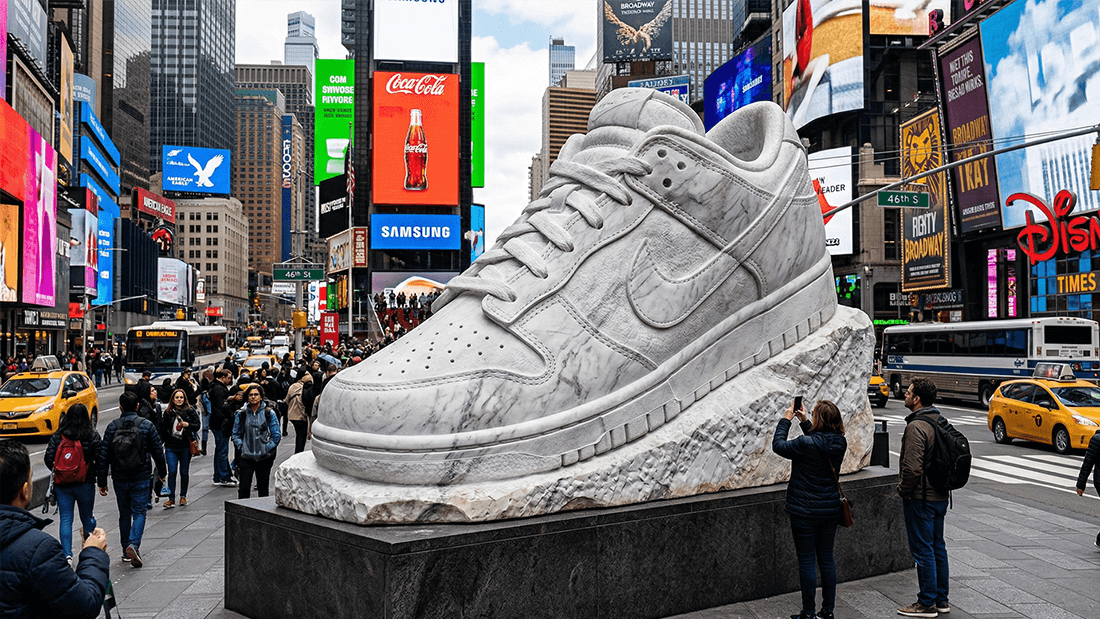
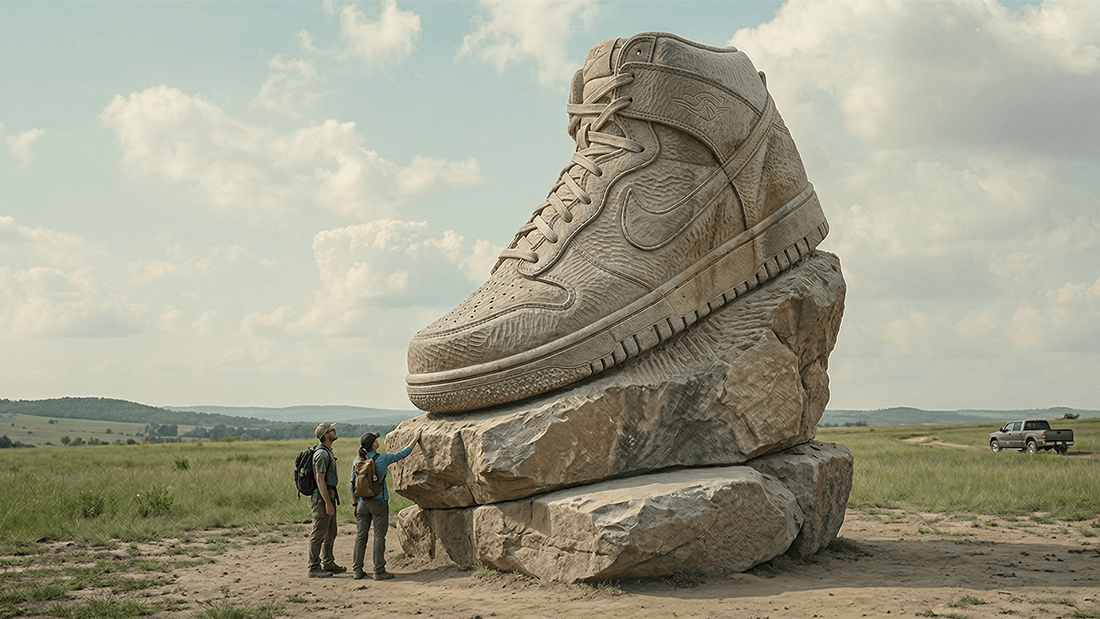
The thing we kept coming back to was scale. A shoe is one of the most recognizable objects in the Foot Locker visual language and people already know what it's supposed to be the size of. Break that, you have a double take. So the concept locked in early, oversized shoes placed in real public space, shot like someone happened to walk past them, no captions explaining the joke. The viewer has to do the small amount of work to register what they're looking at, and that work is what makes the clip stick.
The Concept
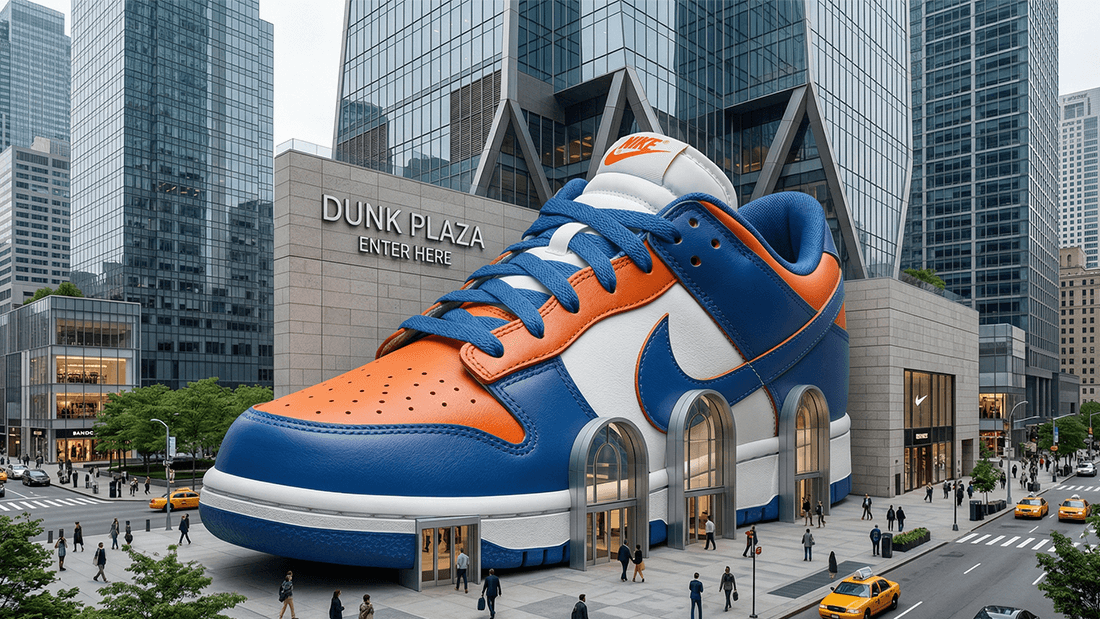
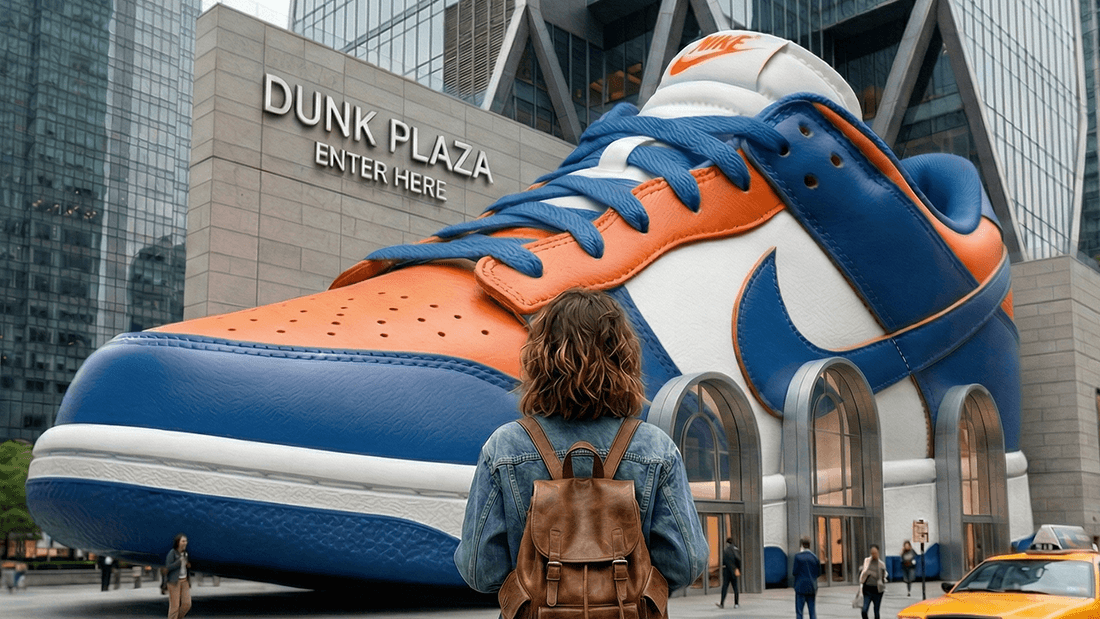
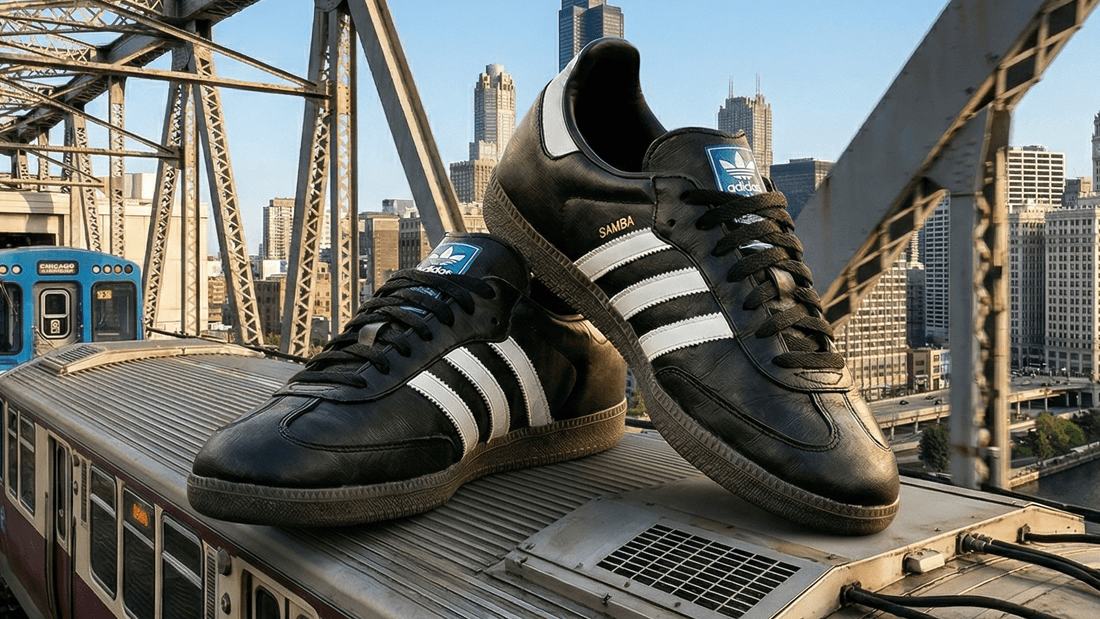
Four films across two cities, New York and Chicago, each in landscape and portrait so the work could run anywhere without re-cuts. The shoes are oversized to the point of absurdity but the rest of the frame is left alone, no music bed, no color treatment, no visual effects doing the lifting. The unbelievable part is the only unbelievable part. Everything else stays photographic.
The decision that mattered most was what not to do. No talking head explaining the activation. No Foot Locker branding crammed into the corner. No "wait for it" caption. The films work because they don't try to. Confidence in the image, confidence the viewer can read it. That's the call I keep wanting to make on social work and rarely get to.

The Reframe
The thing that locked the whole project in came out of a weekly client check-in. We were working on the Brooklyn Bridge film, shoes delivered by a helicopter that drops the ropes and flies off. The helicopter wasn't looking real in the frame and we'd been chasing that problem for a while. On the call, talking through it, I said the thing out loud, if this were actually happening, nobody is filming it from the start. You see something wild, you reach into your pocket, you pull your phone out, you unlock it, you swipe to camera, you tap to video, you start recording. By the time you're rolling, the helicopter is already gone. You catch the ropes coming down and the sound of it leaving.
That reframe fixed two problems at once. The technical problem disappeared because we didn't need to show the helicopter anymore. And the believability problem got stronger because now the film opens mid-event the way a real phone capture would, no establishing shot, no clean entrance, just the moment somebody actually managed to get on camera. The shot that was hardest to pull off became the shot we didn't need to do.
That logic ended up running through everything. Once you accept that the viewer is supposed to feel like they're watching real footage somebody salvaged from a real moment, every other decision answers to it. The camera doesn't track smoothly, it shouldn't. The framing is off, it should be. You don't see the beginning of anything, you wouldn't.

16:9 Films
The Audio
Audio was where the believability either landed or fell apart. A clean music bed would have killed it instantly, it would have said "this is an ad" before the eye even processed the shoe. Library sound effects would have done the same thing. But silent wouldn't work either, the films had to feel like something somebody pulled out their phone to capture, and that means ambient city, that means a voice in the moment.
Two specific calls. First, we wanted background reaction, the kind of half-formed "wait what" you'd actually say if you saw something this strange on a walk. A VO actor in a booth getting a perfect take of that was the opposite of what we needed, the budget didn't have room for it and even if it did the performance would have been wrong. So we sent people from the office out into spaces close to where we shot and had them record themselves reacting on their own phones, the kind of pacing and dropped consonants and breath you only get when somebody isn't acting.
Second, the ambient layer. We recorded actual environments that matched the shots, traffic, distant voices, the room tone of a street, not a sound library version of it. Cut those underneath the reaction audio and the whole thing reads as a phone capture, not a production.
The unprofessional quality was the point. Hiss, slight clipping, voices a little too close to the mic, all of it doing the same job the lack of color treatment was doing in the image. Selling the moment as real.
Look & Feel
Early development was about figuring out where these shoes would land in real environments. Not photogenic locations, real ones, the kind of urban surfaces people scroll past in their own feeds without thinking. Sidewalks. Train platforms. Crosswalks. The look development sketches set the rules, what the shoes had to do photographically to feel placed instead of pasted, how light had to behave, what the camera had to commit to.
The footwear selection across the four films was deliberate, recognizable enough that the brand read instantly without a logo, varied enough that the campaign didn't feel like one repeated joke. Casting the shoes was the same job as casting the locations, both had to do work.
Visual Exploration

The Outcome
The campaign ran across Foot Locker's social channels in summer 2024, hitting the scroll-stopping target the brief asked for.
Jeff Levine
Fake-Up
Designer, Art Director & Creative Director