
Product

Pare.
Date
2026
Client/Agency
Fake-Up
Role
Concept, Design & Development
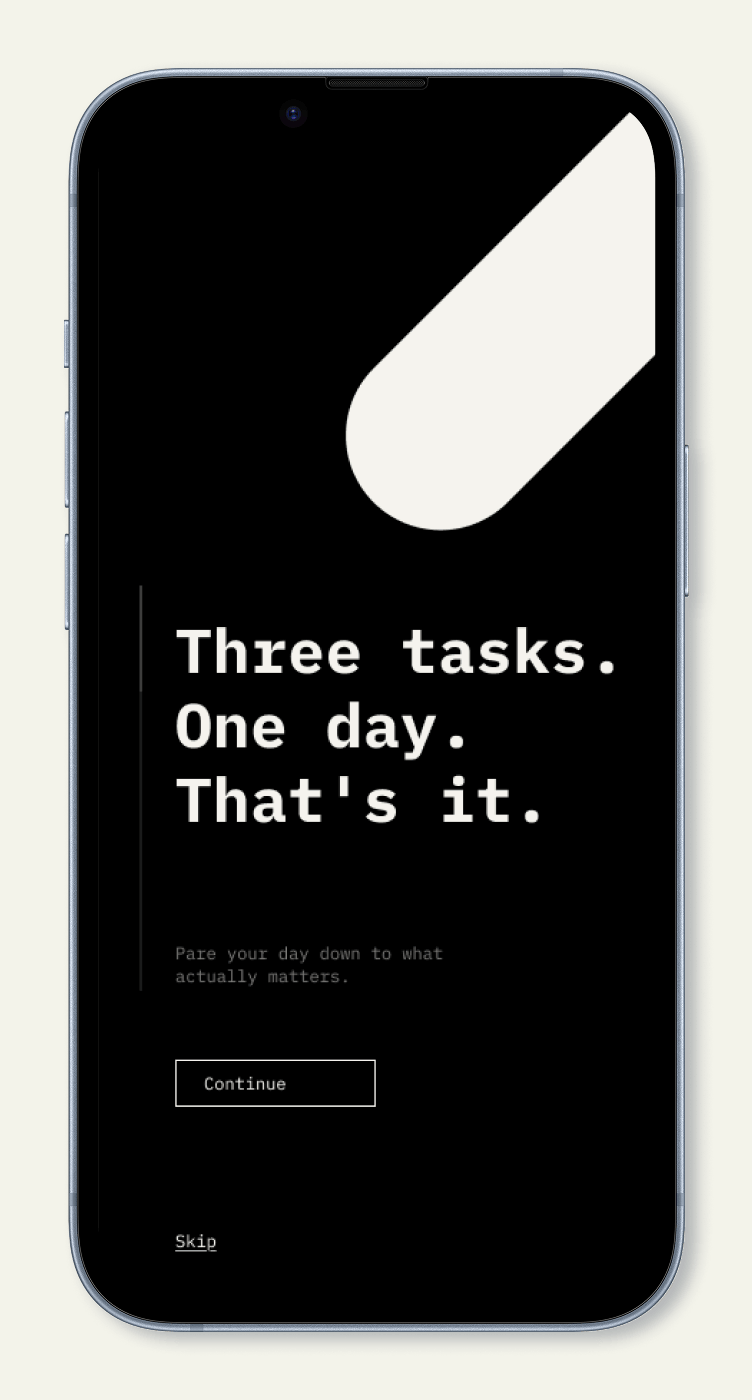
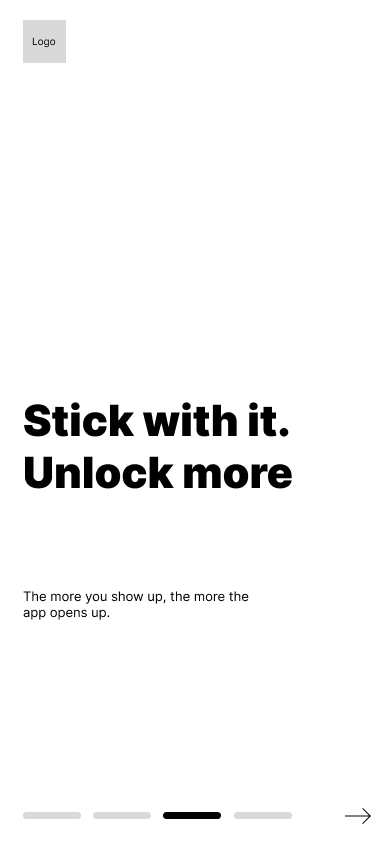
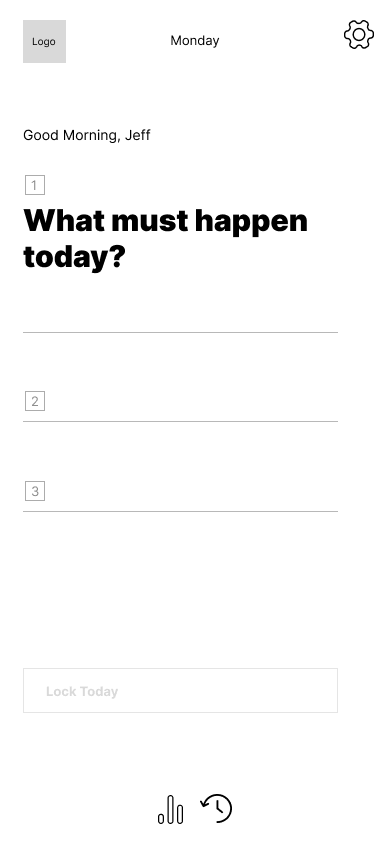
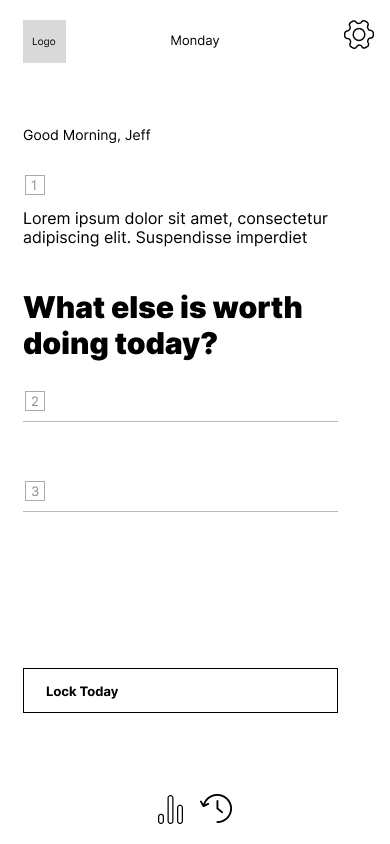
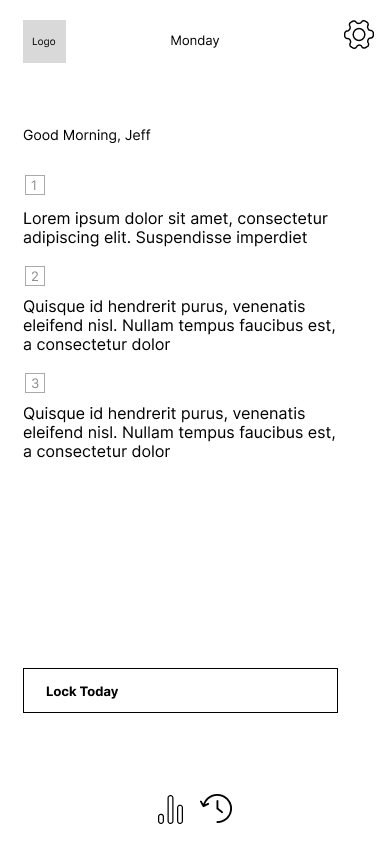
Pare started as a personal frustration. I'd tried most of the popular productivity apps, Notion, Todoist, Things, and kept running into the same problem: the tools were more complex than the work. I wanted something that didn't help me do more, it forced me to choose less. One locked list, three tasks, no carry-forward. Constraint as the feature.
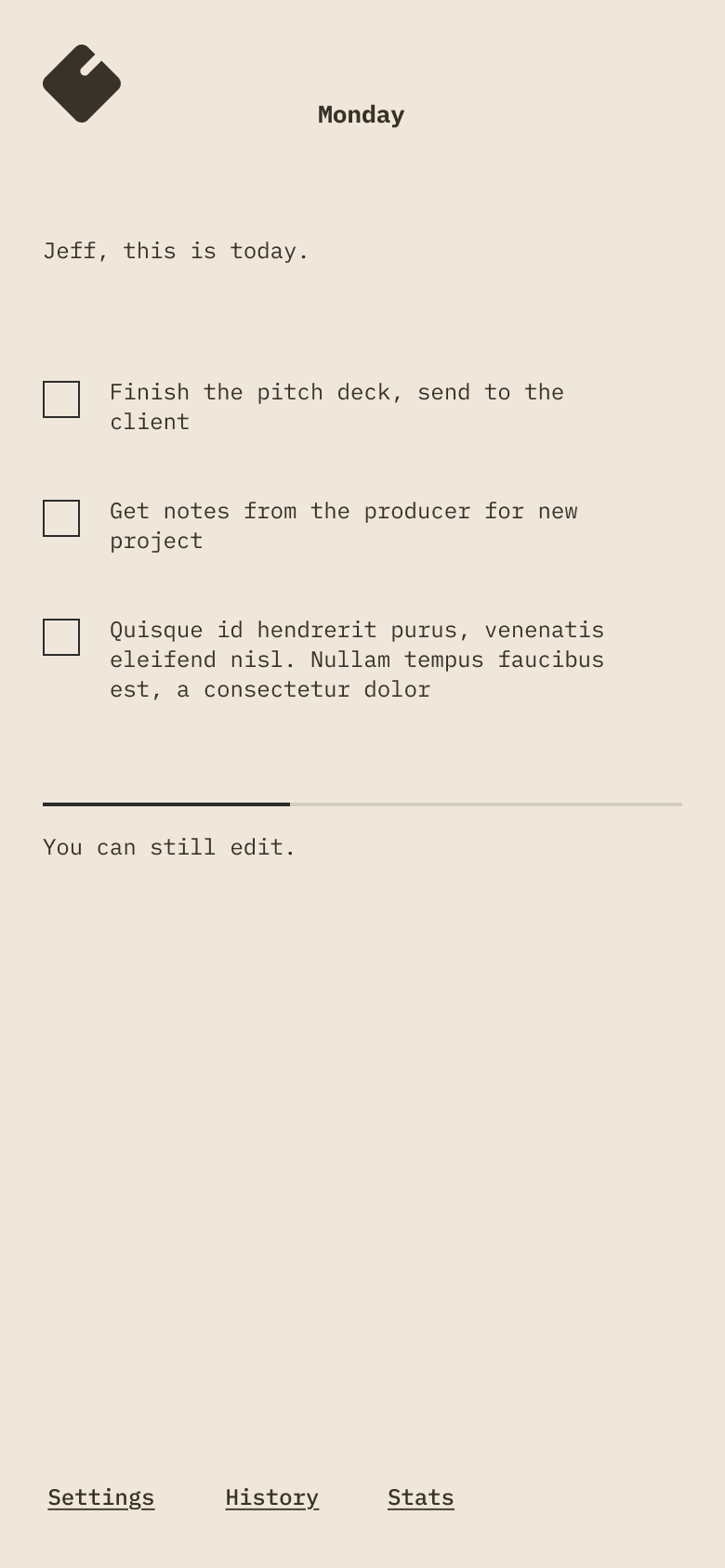
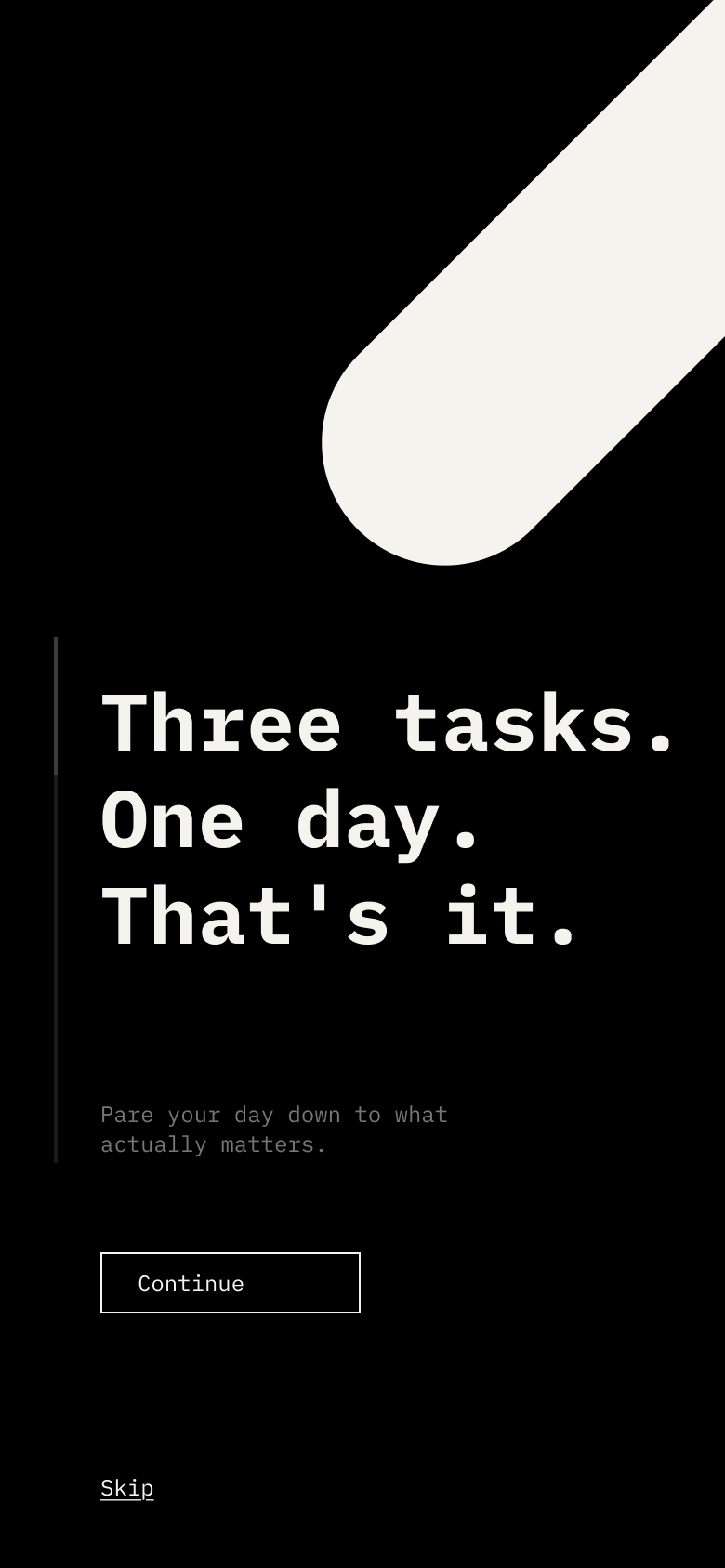
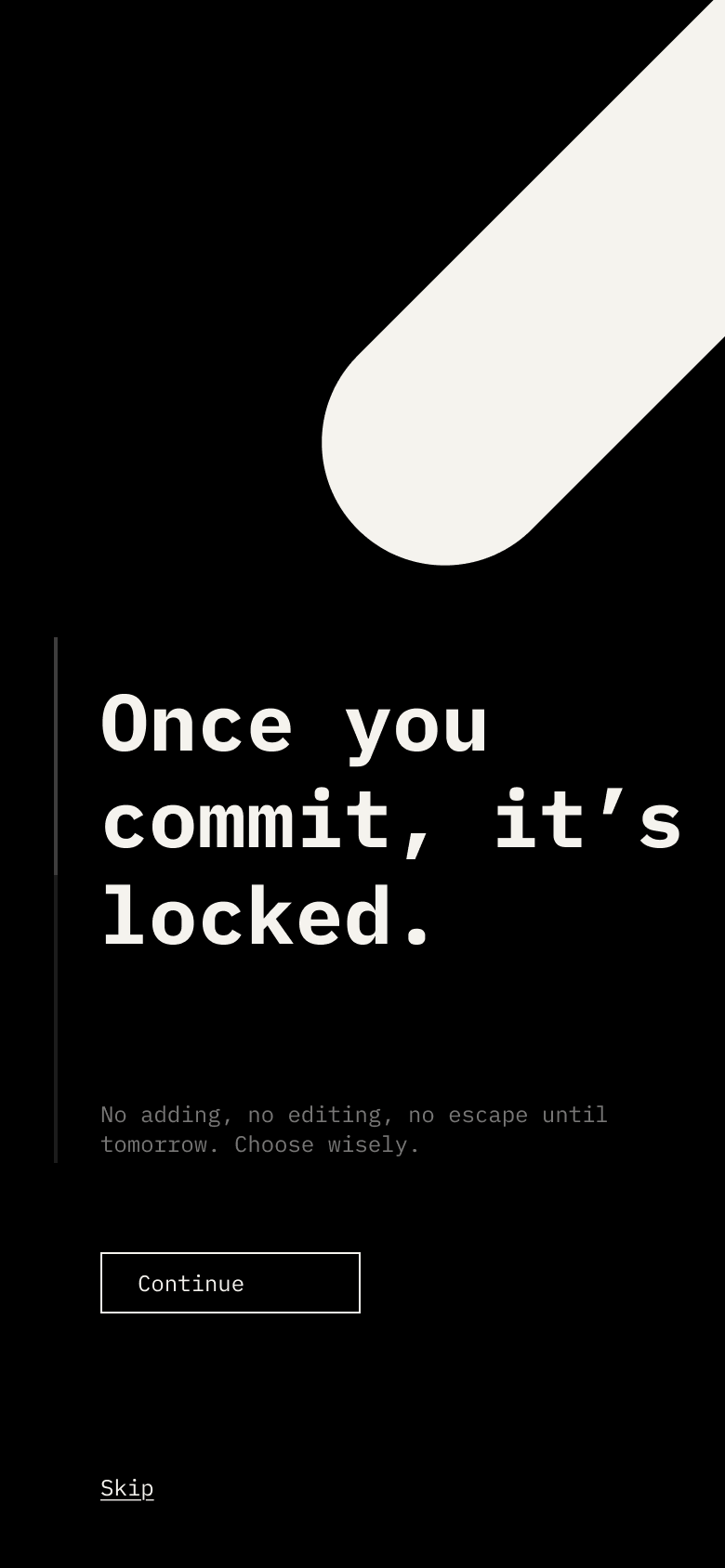
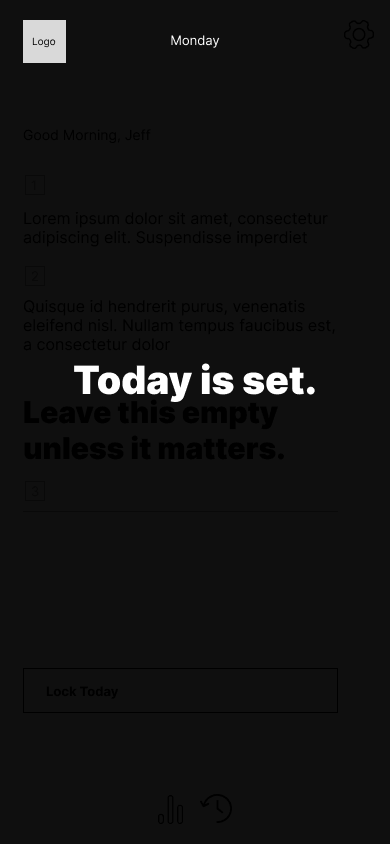
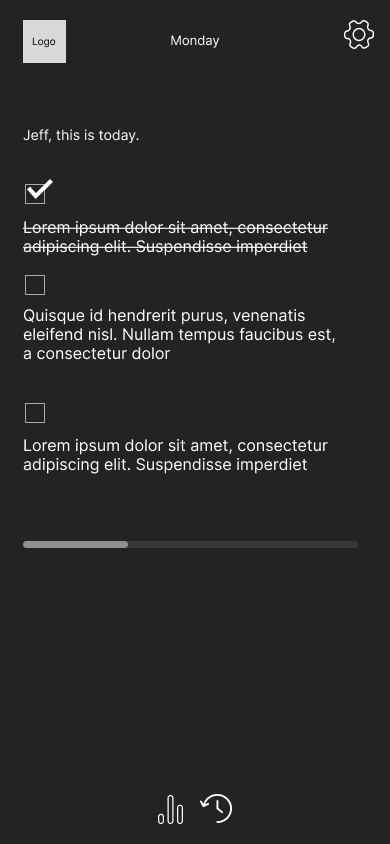
The app is called Pare. The tagline is "a daily practice in constraint." You open it in the morning, pick up to three things that actually matter, lock the list, and live with it. A 15-minute grace period gives you a window to second-guess yourself. After that, it's done until tomorrow.
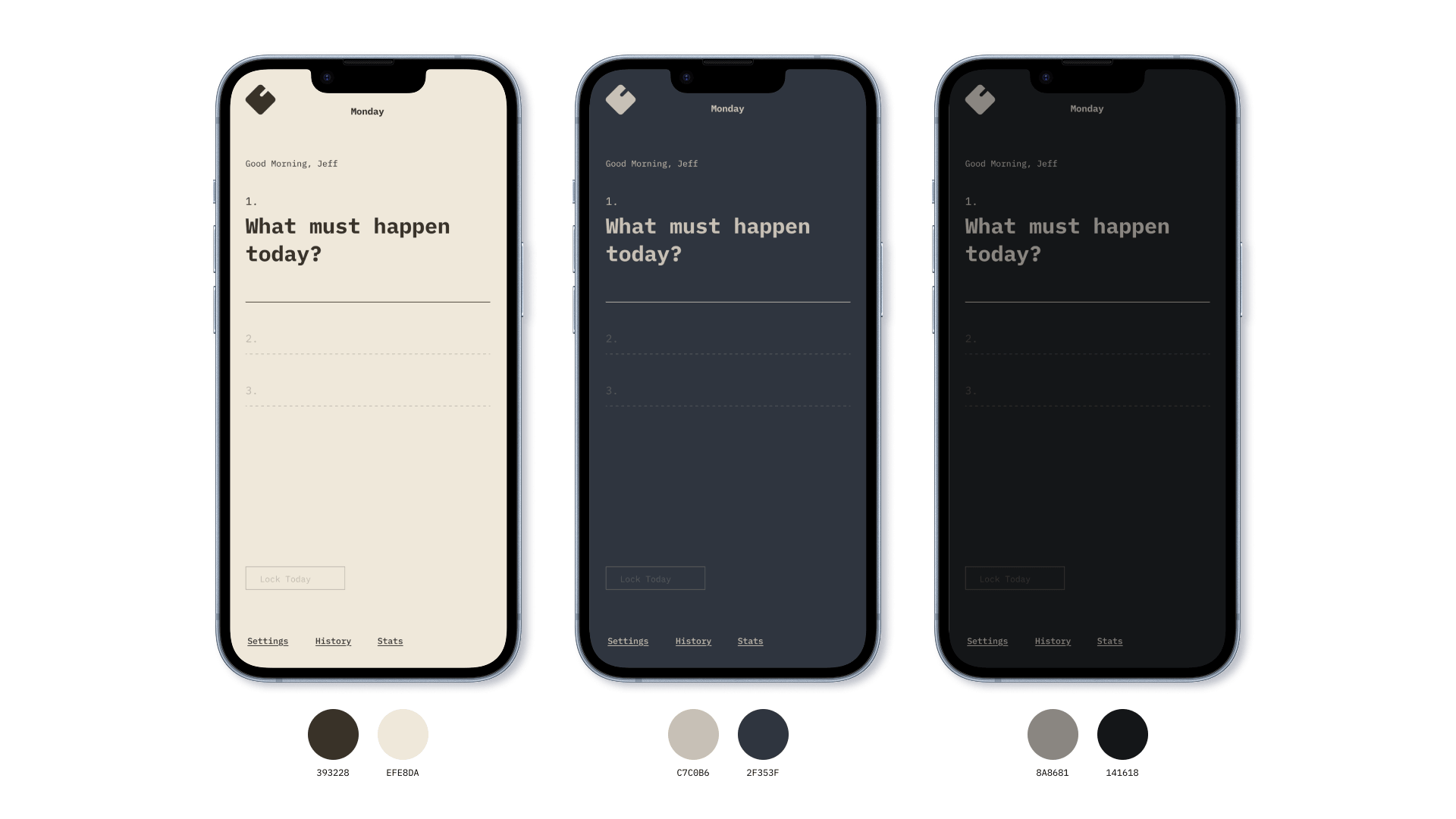
The Design
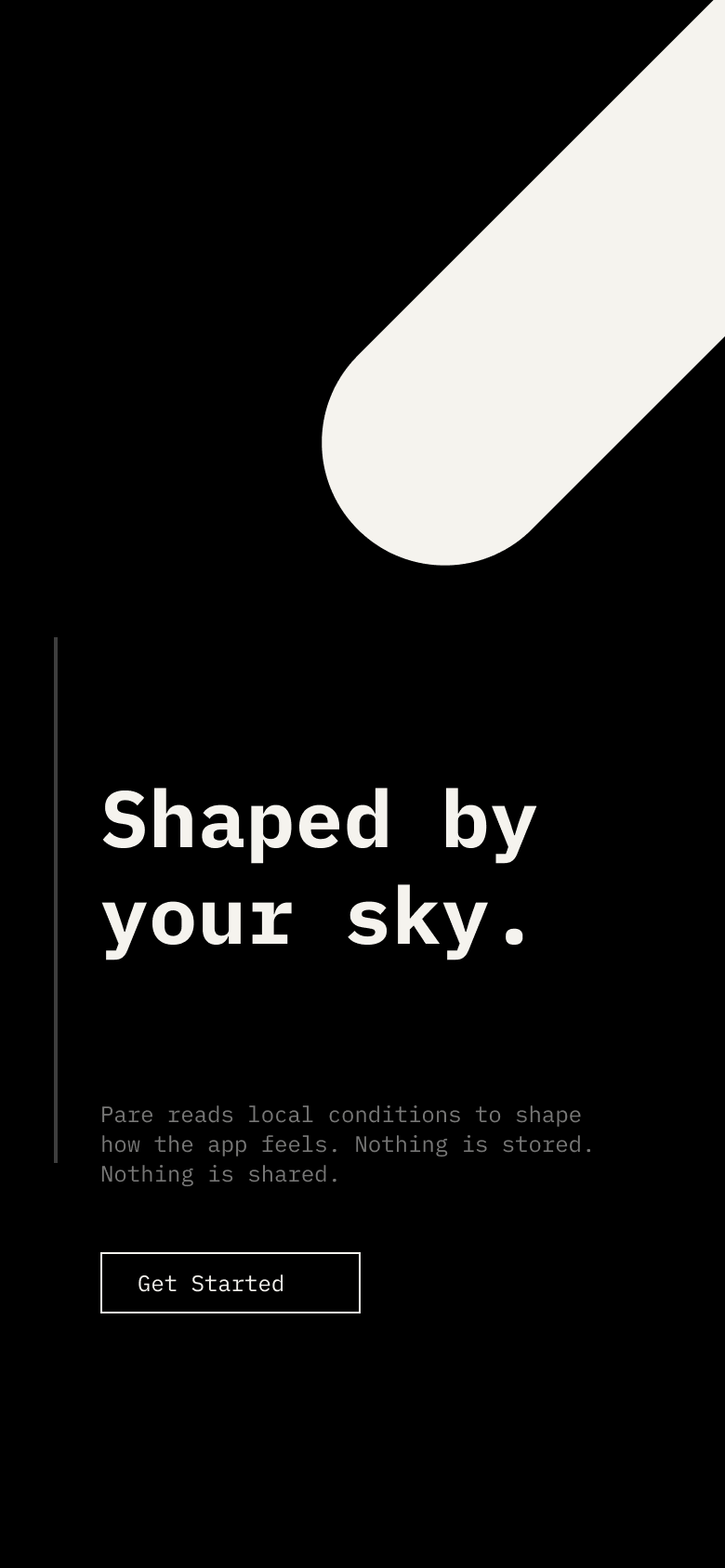
The whole thing runs on a single design idea: the app should feel like the philosophy. No rewards, no streaks with confetti, no coaching copy. IBM Plex Mono throughout. A base palette of cream and near-black. The only visual personality comes from a live weather and time-of-day atmosphere system, 16 color combinations that shift the feel of the app depending on when and where you open it. Morning sun looks different from a rainy afternoon. That was important to me.
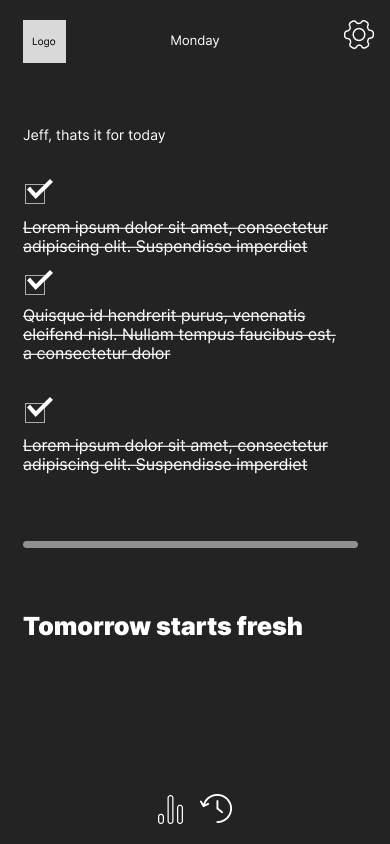
Every copy decision got the same treatment as the UI. No exclamation marks. No praise. No urgency. "You can still edit." "Still here, Jeff." The app acknowledges you without performing for you.
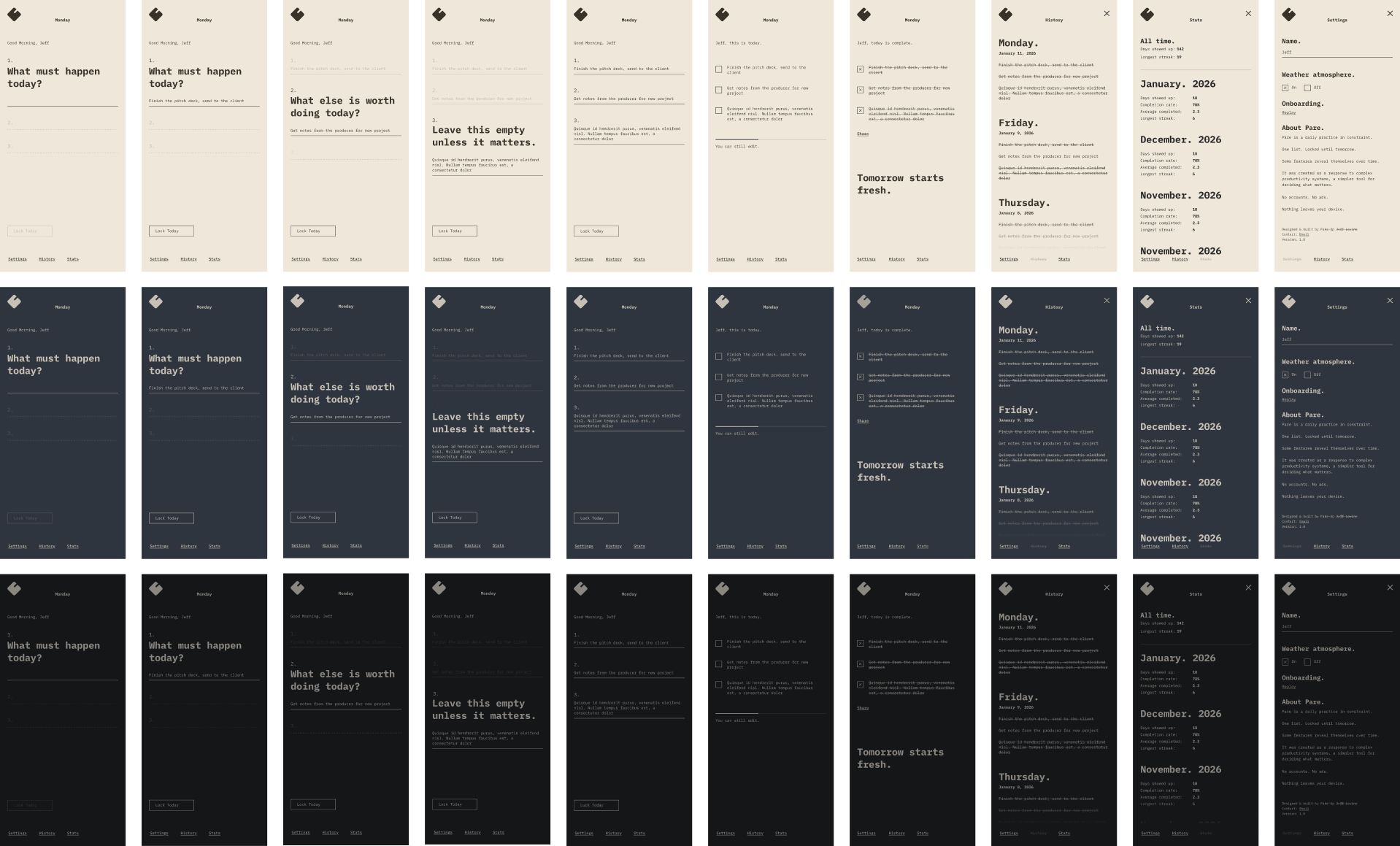
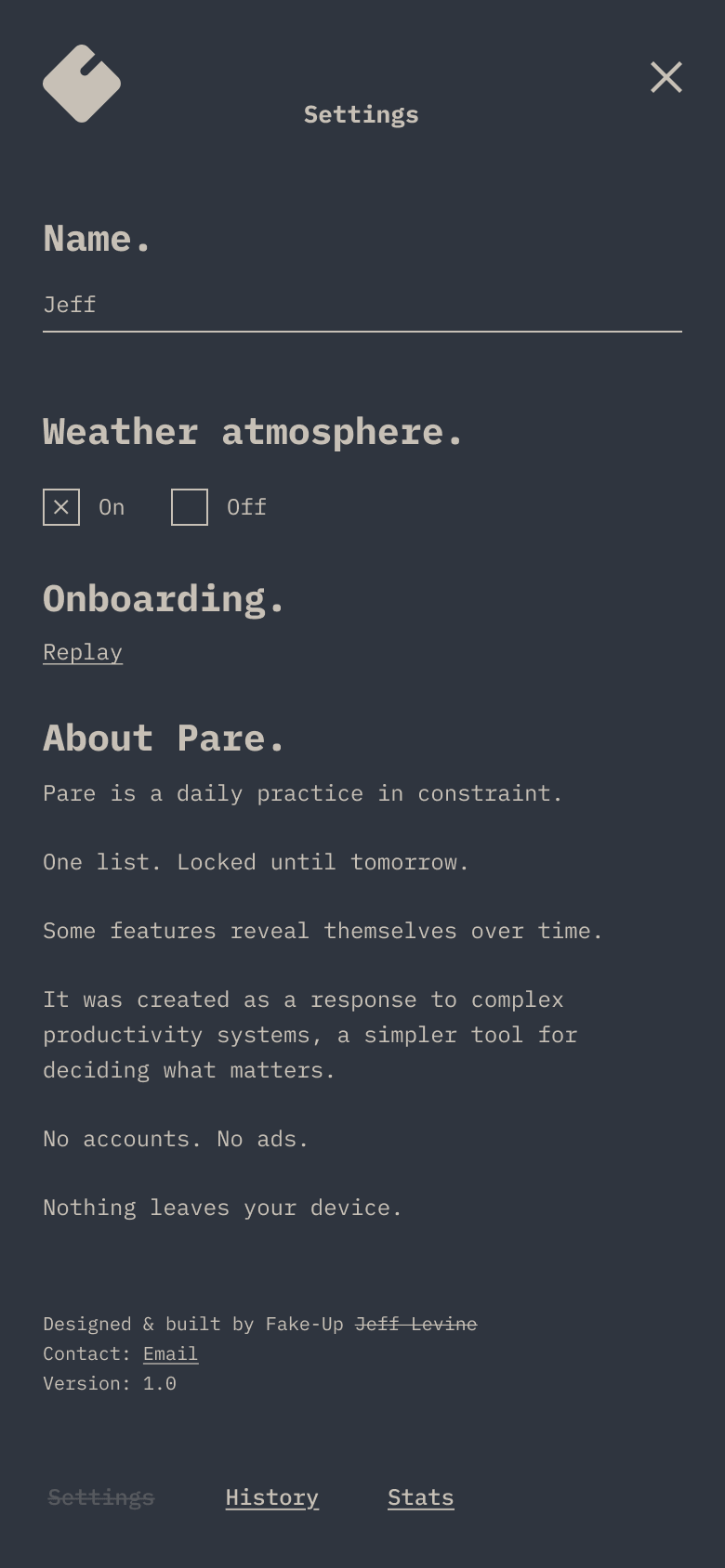
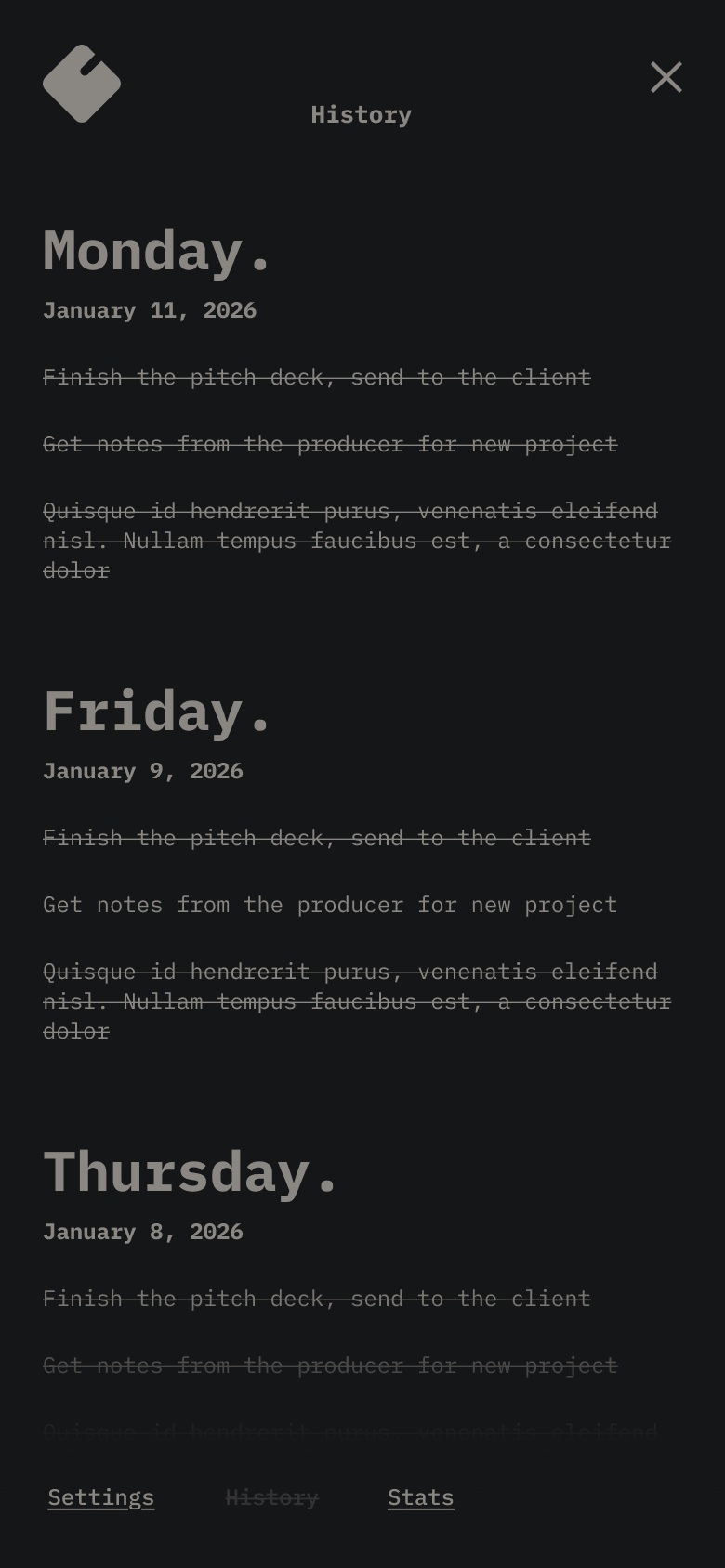

Weather UI Designs
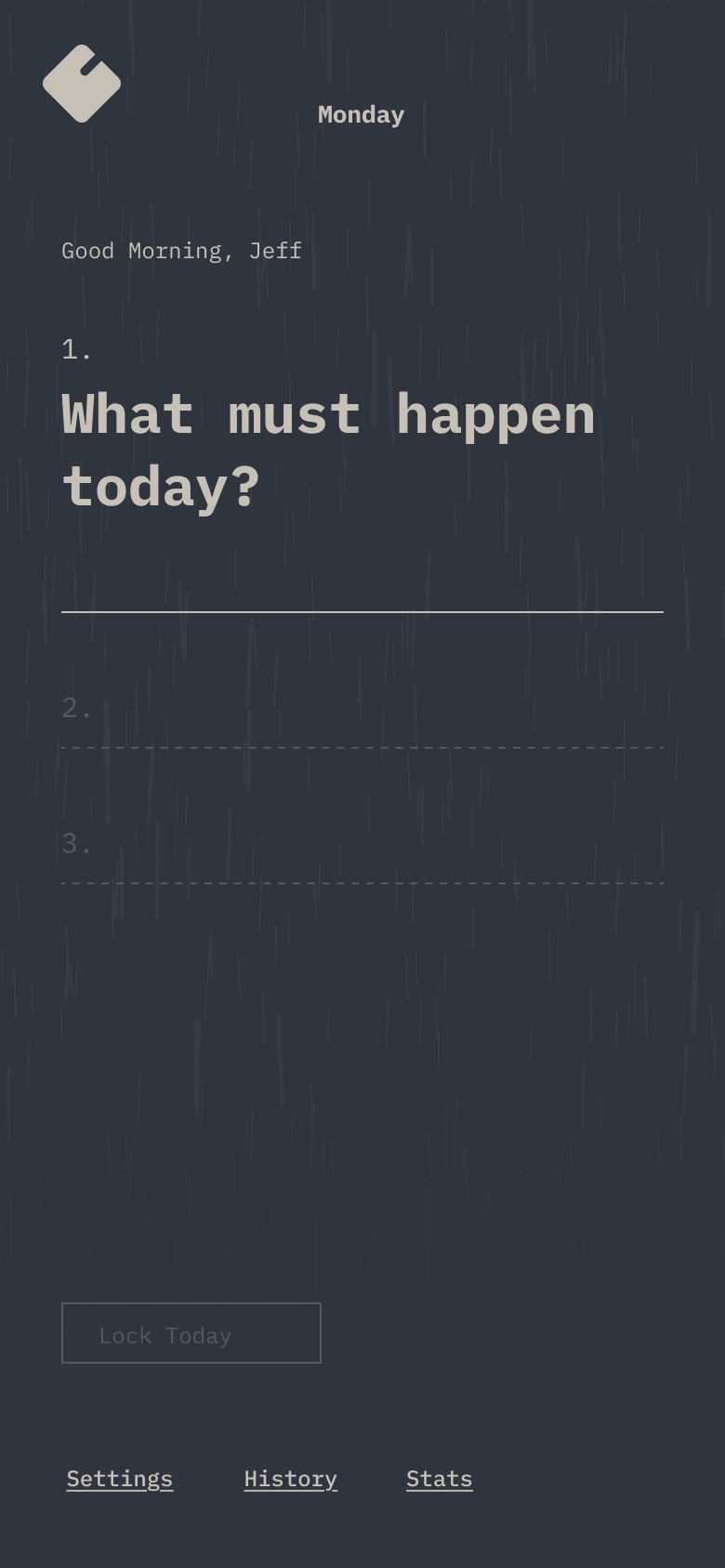
Rain
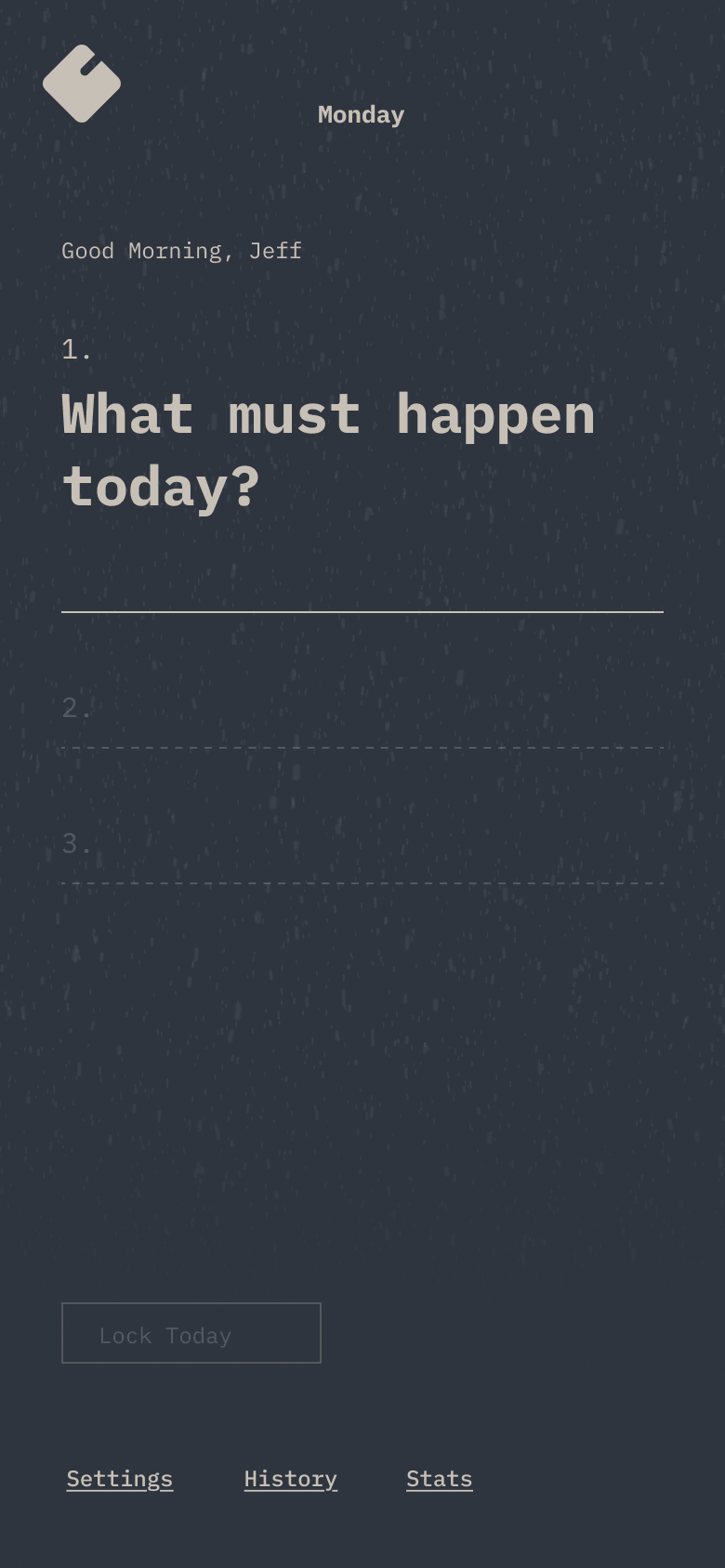
Snow
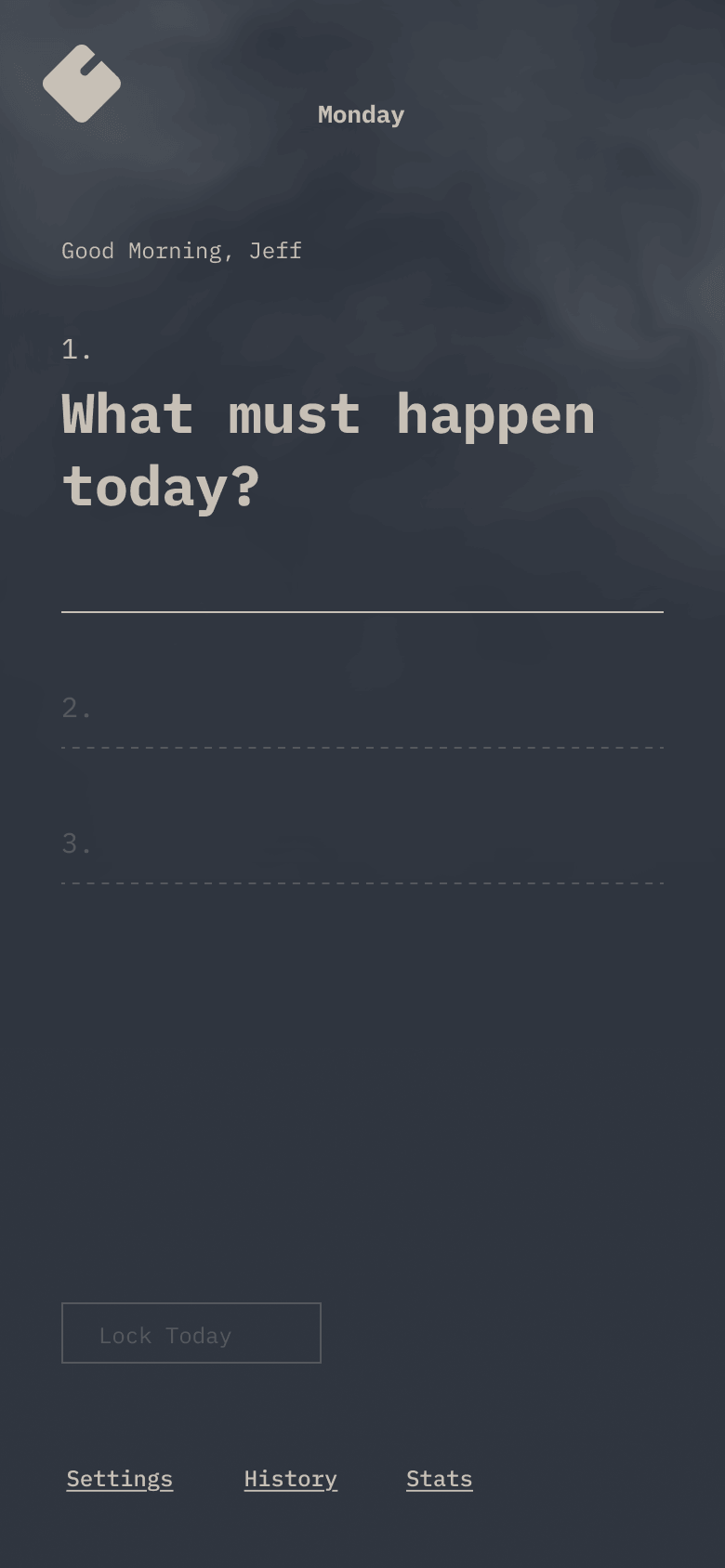
Fog & Clouds
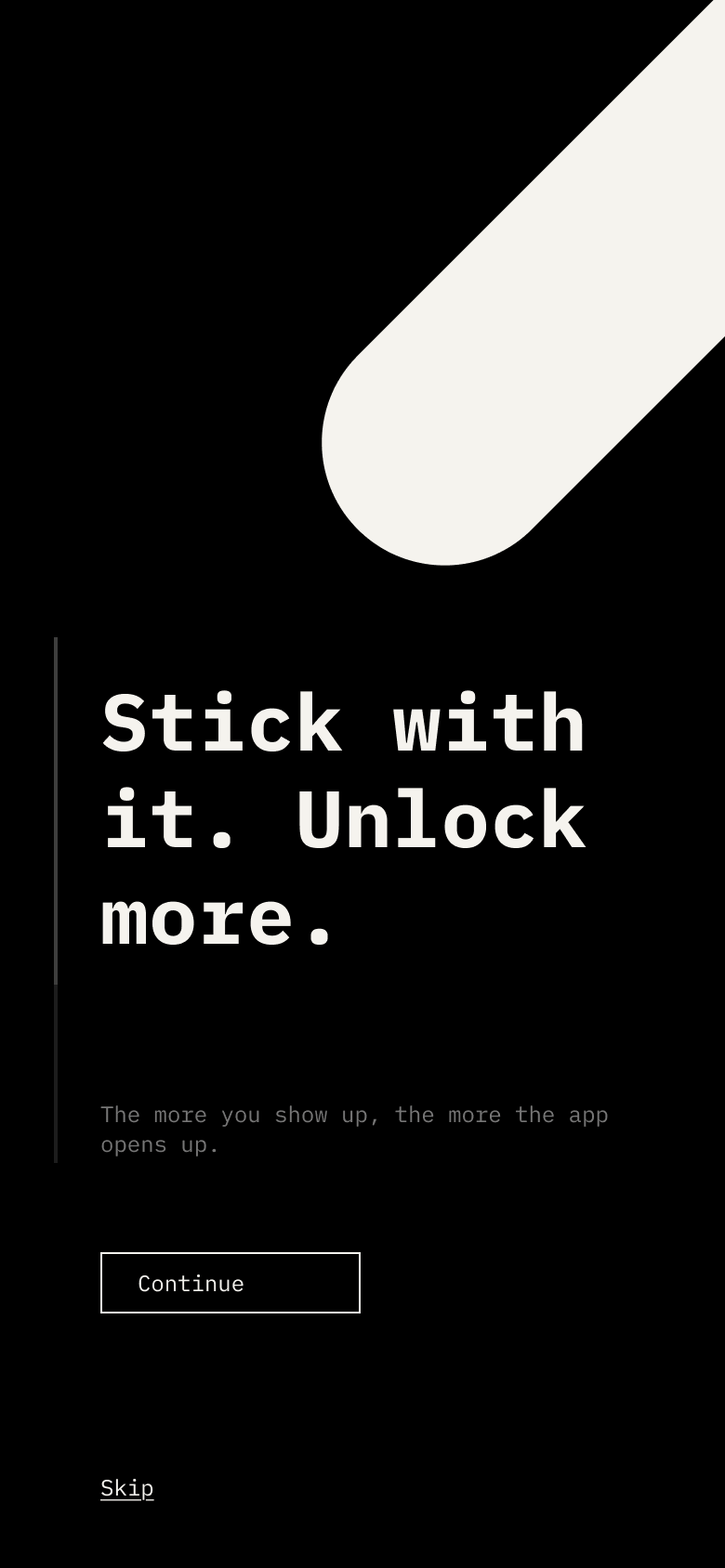
Onboarding Designs
Shareability
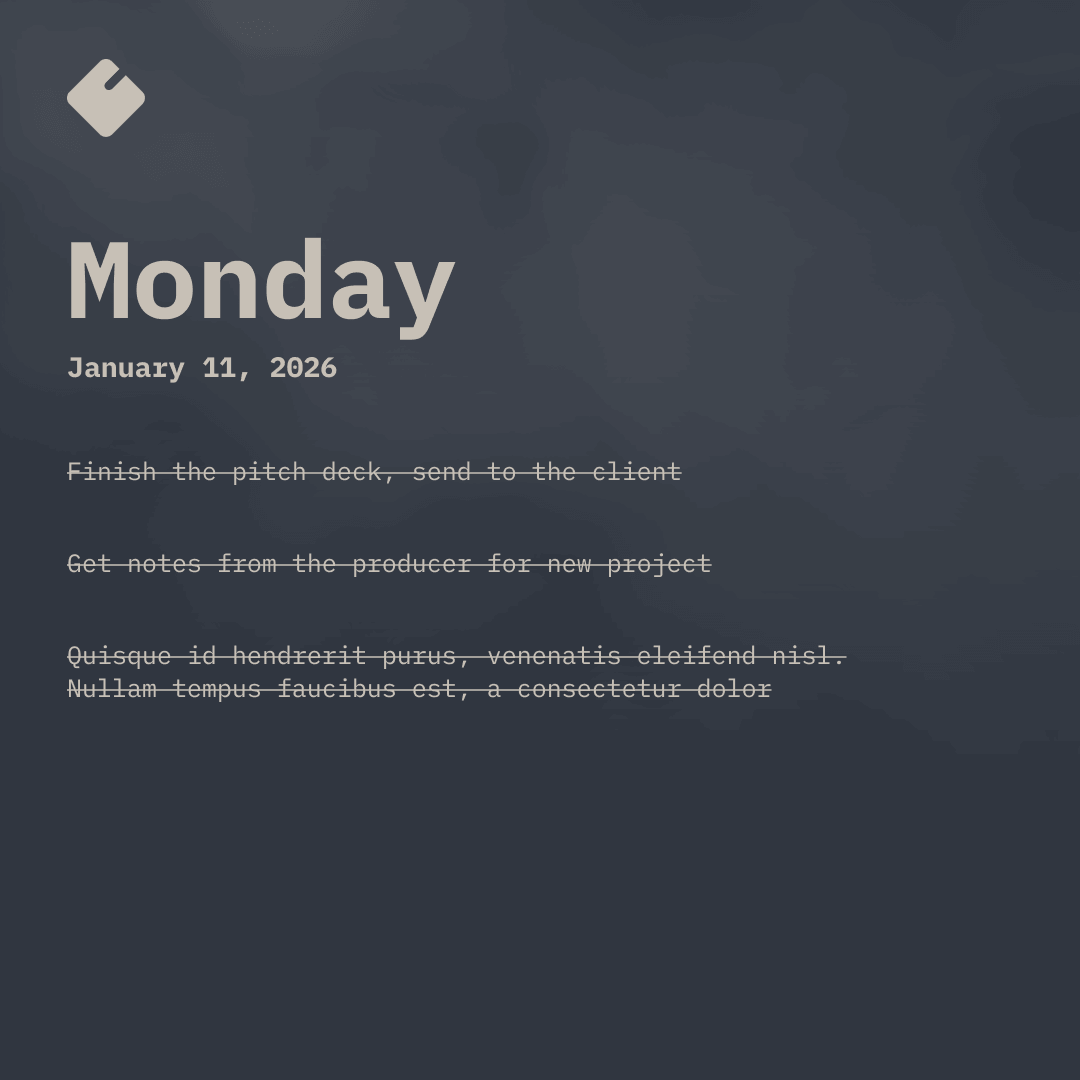
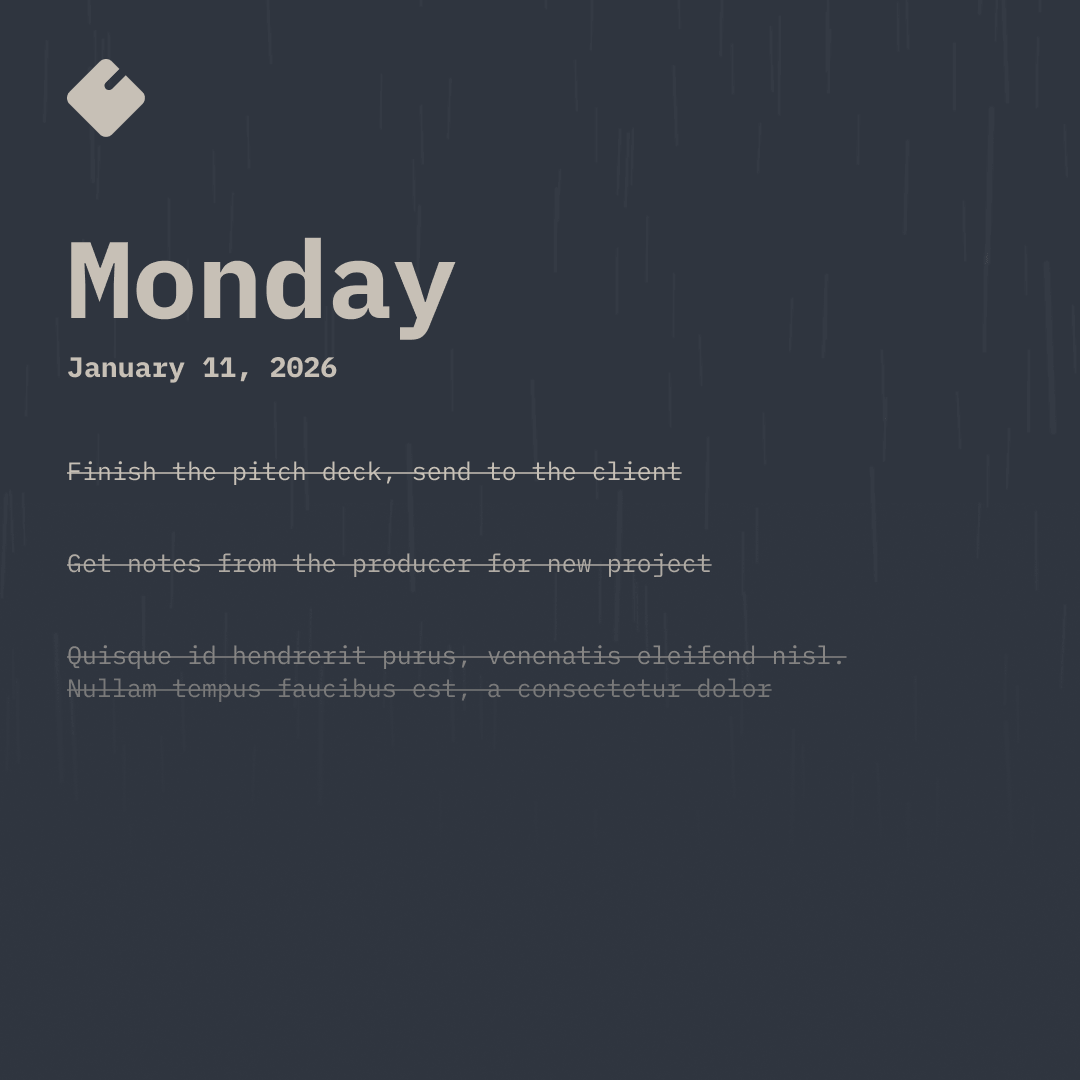
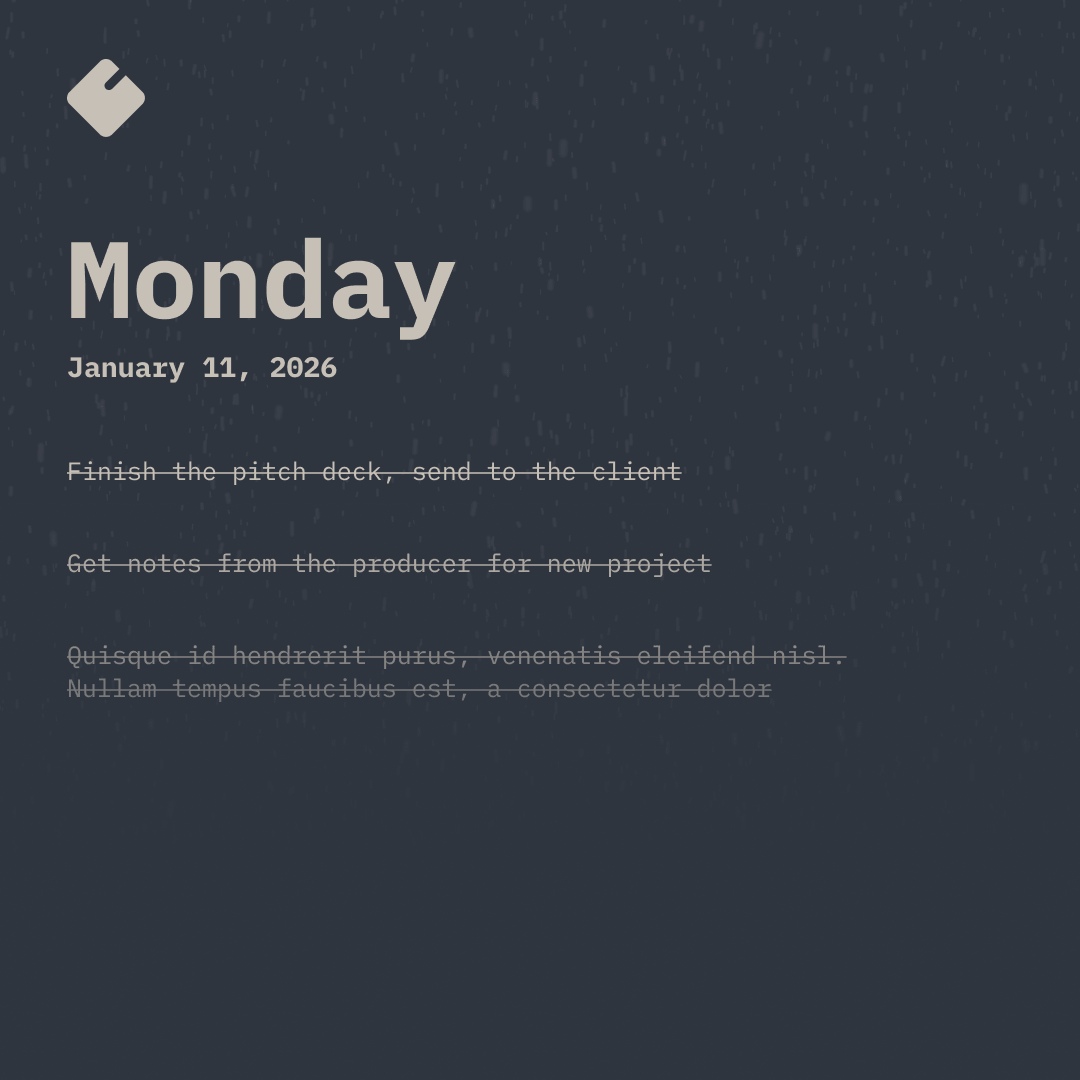
One thing I spent real time on was the shareable daily card. The idea was simple: at the end of the day, if you completed your list, you could share it. Not a screenshot, a designed artifact. The card pulls the weather atmosphere from the moment you locked your list, so a rainy morning looks different from a clear afternoon, and generates a clean, typeset image of your three tasks in three aspect ratios, square, portrait, and landscape. No app name on it, no tagline, no download link. Just your tasks, the date, and the atmosphere of that day.
The thinking behind it was that the card does its own marketing without feeling like marketing. If someone posts it, it's because it meant something to them, not because the app nudged them to. That restraint was intentional. Pare never asks you to share, never celebrates when you do, and never puts its name on the thing you made. The card belongs to the user. If it ends up somewhere public, curiosity does the rest.
Cloudy, Windy & Fog
Rain
Snow
The Build
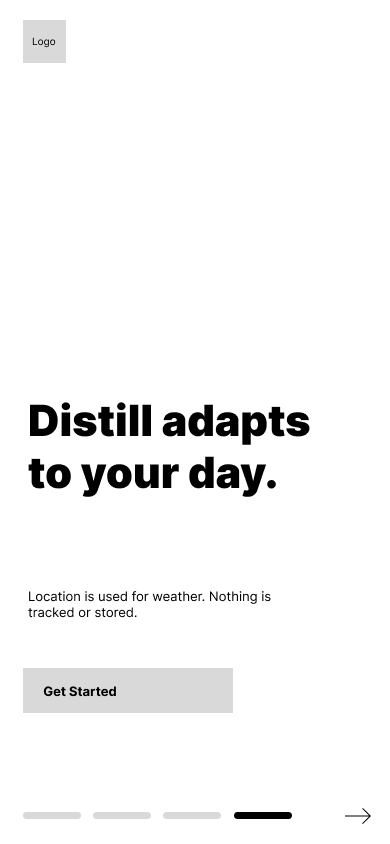
I designed the full product in Figma and built it myself using SwiftUI and Claude Code as a development partner. 100% native iOS, zero third-party dependencies. WeatherKit for live conditions, CoreLocation for reduced-accuracy positioning, UserDefaults with Codable JSON for local persistence. No backend, no accounts, nothing leaves the device.
The working alpha runs on my phone. Onboarding, today view, locking, grace period, history, stats, shareable daily cards in three aspect ratios, all of it.
What Was Left
Stopping at alpha meant leaving a few things on the table. A thorough QA pass across devices and edge cases. A final design pass to tighten things that only become visible once the app is running on real hardware. The animation work I'd planned was ambitious, reactive transitions, micro-interactions, reveals that matched the restrained tone of everything else, and that layer never got built. And then submission, the provisioning, review, and everything that comes with putting something on the App Store.
None of it was out of reach. I just stopped before getting there.
Why I Stopped
Not because it broke. Not because I ran out of ideas. I lost faith in the audience being large enough to justify the remaining work, and more honestly, I fell out of love with the concept. The niche it lives in is real but small, and I wasn't sure I'd still be using it in six months. So I stopped at 80% instead of pushing it across the line.
I'm posting it anyway because I think that's worth showing. Not every project ships. Not every idea earns its way to the App Store. This one got far, looked good, and taught me a lot about building native iOS apps end to end with AI as a collaborator. That's not a failure, it's just the full picture.
Early Wireframes
Jeff Levine
Fake-Up
Designer, Art Director & Creative Director